The Importance of Safety in Early Childhood Environments
Ensuring the safety of young children is a crucial aspect of any child care environment. Parents place their trust in caregivers to create a safe and nurturing atmosphere for their children. This responsibility involves adhering to various safety standards that protect against potential hazards. By understanding these standards, caregivers can provide an environment where children can thrive and parents can feel at ease.
Role of Safety Standards in Child Care

Implementing safety measures in environments offering child care services is essential. These standards cover various aspects such as facility design, emergency preparedness, and staff training. Facilities need to be child-friendly and devoid of potential risks like sharp edges or exposed electrical outlets. Emergency procedures must be clearly outlined, ensuring everyone knows how to respond swiftly to any situation.
Training for Staff Members
Staff training is another critical component of maintaining effective child care services. Each caregiver should undergo rigorous training programs that cover health and safety practices. This includes first aid, CPR certification, and understanding child behavior management. Regular workshops ensure that staff remains informed about the latest safety protocols and best practices.
Common Safety Challenges in Child Care Settings
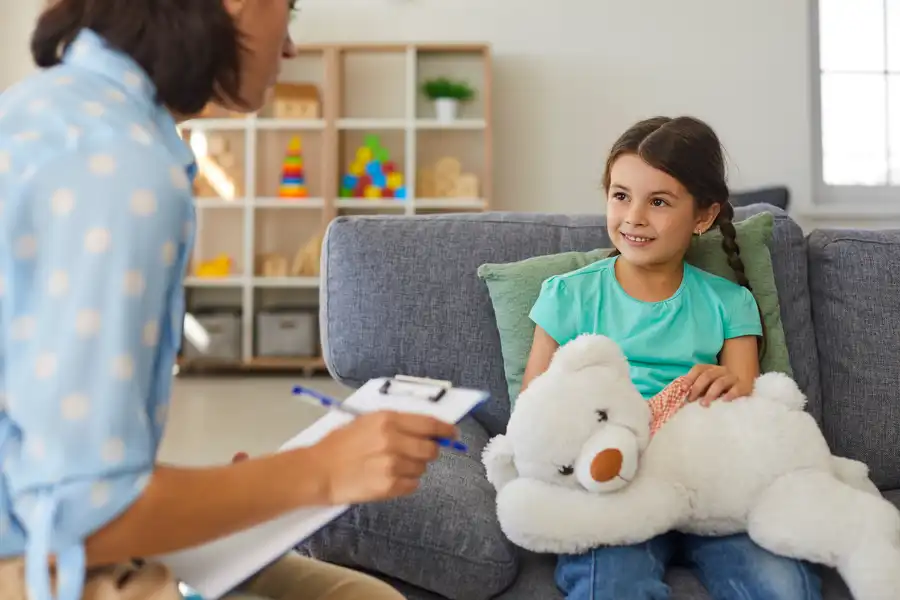
Despite efforts, several common challenges persist in maintaining safety within child care settings. The most prevalent issues include inadequate supervision, insufficiently secured play areas, and lack of proper hygiene practices. Addressing these challenges requires vigilant monitoring and consistent enforcement of safety policies.
Steps to Enhance Safety Practices
Enhancing safety practices involves a multi-step approach:
- Regular inspections of the premises to identify and rectify hazards
- Installing secure fencing around playgrounds
- Using only non-toxic and age-appropriate toys
- Ensuring proper sanitation and cleanliness throughout the facility
Best Practices for Maintaining Safety Standards
Adopting best practices helps maintain high safety standards. These include clear communication with parents about safety measures, ongoing staff development programs, and active parent involvement. Additionally, regularly updating policies to reflect new regulations or findings enhances overall safety.
Industry Regulations and Compliance Requirements
Compliance with industry regulations is mandatory for all child care providers. These regulations are designed to ensure the well-being of children by mandating strict adherence to specific guidelines. Facilities must meet requirements related to space, staff-to-child ratios, and accessibility features. A failure to comply may result in penalties or even closure.
Evaluating Costs Associated With Safety Measures
The cost implications of implementing comprehensive safety measures can be significant. However, investing in quality infrastructure and training yields long-term benefits. Providers should consider factors such as equipment upgrades, staff certifications, and insurance premiums when budgeting for safety-related expenses.
Conclusion: Prioritizing Safety in Your Facility
Your commitment to maintaining robust safety standards ensures peace of mind for families entrusting you with their children’s care. At Munoz Family Child Care, we understand the importance of these standards and continually strive to exceed them. Located in Seattle, WA, our facility prioritizes quality assurance through regular evaluations and enhancements. Contact us at (206) 460-0521 to learn more about our dedication to providing a safe environment for your children.